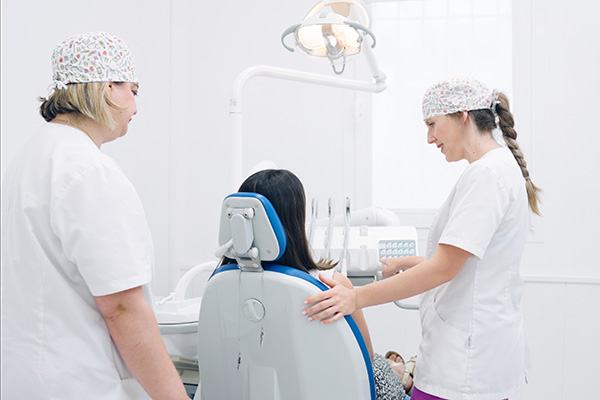
You may have heard a lot about sedation dentistry recently. It is appealing to many patients, especially those who have fears about dental treatments. Visiting the dentist may not be the most exciting event in your life, but these appointments are important. You should not avoid seeing the dentist because you are worried about the pain you may feel during a procedure. Thanks to sedation methods, you can avoid these feelings altogether.
Sedation dentistry vs. traditional approaches
It is not uncommon for people to worry about the pain they may feel during a dental process. Traditionally, dentists will give the person a shot in the gum near the affected teeth to numb the area. This shot has a local anesthetic and is typical before the dentist fills a cavity, does a root canal, or places a crown. The shot itself can be uncomfortable, but the numbing effects should last well beyond the time of the procedure.
With sedation, the dentist can help the patient feel calm before even getting the anesthetic shot. It may be useful for longer restorative care such as implant placement. Younger patients may prefer it, as may people with certain anxiety disorders. The dentist can use a variety of methods to deliver the sedation.
Laughing gas
This has long been used to help patients relax and feel calmer during an invasive procedure. Many parents choose this for children who need a cavity filling or root canal. The dentist delivers the gas (nitrous oxide) through an apparatus placed on the patient’s nose. The patient breathes in the gas, and the effects can begin within less than a minute. The gas does not render the person asleep but can minimize discomfort.
IV sedation
Recently, dentists have begun using IVs as a form of sedation dentistry. The IV can deliver general anesthesia to the patient. This type may be a good option for people who need an involved oral surgery. Other intravenous sedations do not make the person unconscious. Still, this method makes the patient sleepy and possibly forgetful of the dental treatment or surgery.
Oral sedation
Patients can also elect to take a pill for their sedation dentistry option. The person will stay awake during the procedure, but the effects make the individual relaxed and unable to feel any pain. The dentist may give the patient a pill the night before the visit and an hour before. The patient may continue to feel drowsy for the next several hours after the dental appointment. Someone else should plan to drive the patient home.
Calming your nerves
If you are among the many patients who worry about pain and discomfort at the dentist’s office, try sedation dentistry. One of these three options could suit your needs and help you feel more at ease during your appointment. Talk to a dentist near you about which type of sedation makes the most sense for you. Do not put off an important treatment any longer because you have some fears or anxieties.
Request an appointment here: https://cissdental.com or call CISS Dental & Orthodontics at (469) 656-5002 for an appointment in our Plano office.
Check out what others are saying about our dental services on Yelp: Sedation Dentistry in Plano, TX.
Recent Posts
Visiting a new dental office for the first time can feel exciting and a little uncertain. Knowing what to expect can help make the experience smooth and stress-free. A first visit is a great opportunity to meet the dental team, discuss concerns, and help patients feel confident about their dental care.The front desk team usually…
Searching for a dentist near me often begins with convenience, but the range of services offered should be a top priority. A comprehensive dental practice not only addresses routine care but also provides advanced treatments to support long-term oral health. From preventive visits to restorative and cosmetic procedures, having access to the right services under…
A root canal can save a severely damaged tooth. However, a sizable portion of the tooth will likely be gone afterward. The good news is that a restorative dentist can rebuild the treated tooth with a dental crown. While not always a requirement after root canal therapy, these restorations are often the final step in…
A chipped tooth needs immediate attention to protect the structural integrity of a smile. Fortunately, an emergency dentist can provide this immediate and crucial care to preserve one's oral health and smile. Sudden trauma from sports activities, accidental falls, or biting down on hard foods can cause enamel fractures. When structural damage occurs, seeking a…